
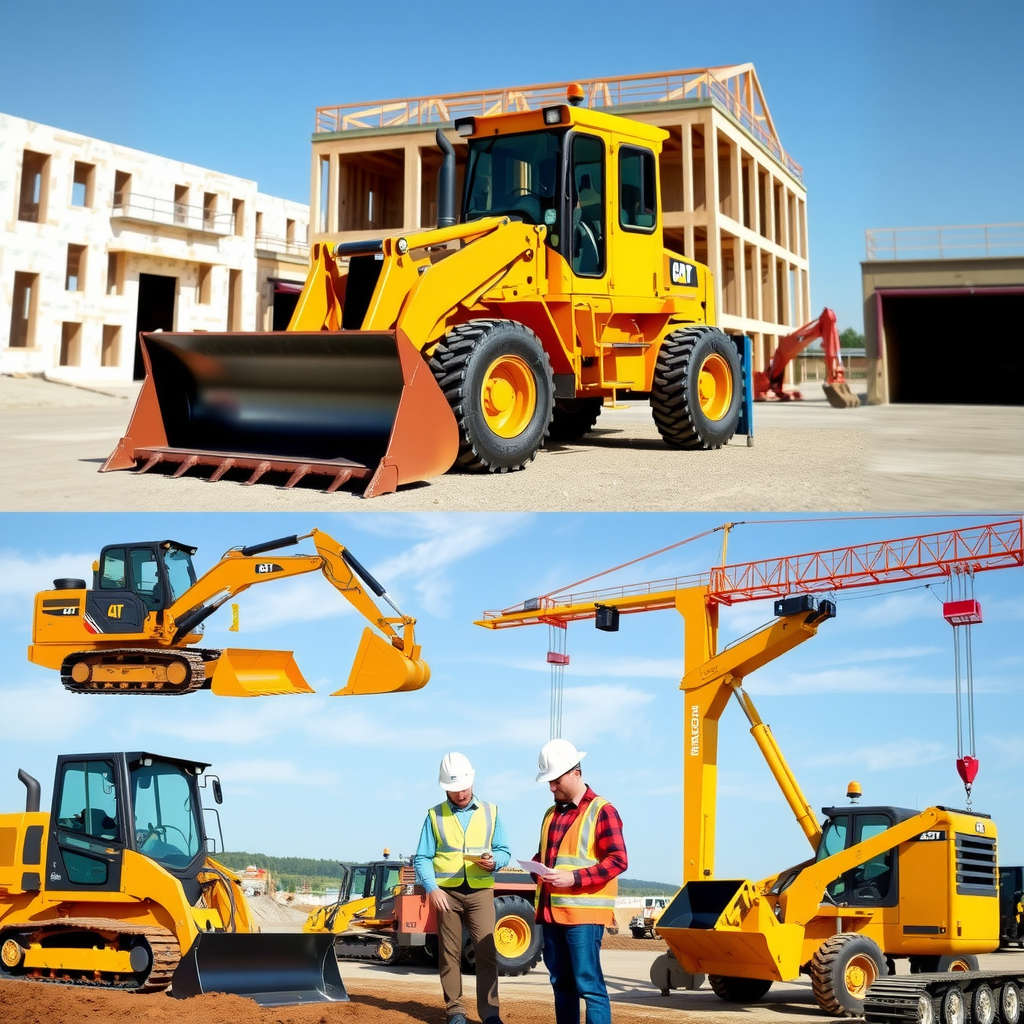
When embarking on a construction project, selecting the right plant machinery is crucial for ensuring efficiency and productivity. The type of machinery you choose will directly impact your project’s timeline, costs, and overall success. With numerous options available in the marketplace, including second-hand and brand new equipment, making a well-informed decision can be quite overwhelming. As specialists in the rental and sale of plant machinery, we provide insights to help you navigate the complexities involved in this important choice.
This guide aims to empower you with the knowledge essential for making informed decisions regarding plant and equipment. Whether you plan to invest in used plant equipment for sale or consider renting machinery for a short period, understanding your specific needs and the available options is critical.
Assessing Your Project Requirements
Before you start browsing through various plant options, it’s essential to conduct a thorough assessment of your project requirements. Consider the scale of the construction project, the type of work involved, and the specific tasks that the machinery will need to perform. Will you be digging foundations, lifting heavy materials, or transporting dirt? Each task may require different types of plant machinery.
Moreover, you should evaluate the site’s conditions. Is the terrain flat or uneven? Are there space limitations that might affect the size of the machinery you can use? These factors will significantly influence which type of machines are suitable for your project. By gaining a clear understanding of your project needs, you’ll be better positioned to determine which equipment is most appropriate.
Understanding Machinery Types
Plant and machinery encompass a wide range of equipment, each designed for specific tasks. Excavators, bulldozers, telehandlers, and dump trucks are just a few of the essential machines used in construction. Becoming familiar with the primary function of each type of machinery will guide you in your selection process.
For example, excavators are indispensable for digging and earthmoving work, while bulldozers are ideal for grading and clearing land. If your project involves lifting heavy loads, a telehandler may be the right fit. Knowing the strengths and limitations of each piece of used plant can significantly enhance your operational effectiveness.
Evaluating New vs Used Plant Machinery
One of the primary decisions you’ll face is whether to purchase new or used plant machinery. New machinery comes with guarantees and the latest technology but can also represent a significant upfront investment. On the other hand, second-hand plant machinery offers a budget-friendly alternative without drastically compromising on performance.
When considering used plant sales in the UK, it’s essential to conduct comprehensive research. Ensure that the equipment you’re viewing has been well maintained and is in good working order. Look for used plant equipment for sale that includes detailed maintenance history and inspection records to assess reliability and durability.
Investing in reliable plant machinery is crucial for any construction project. Our extensive range offers top-quality equipment tailored to your needs, ensuring optimal performance and efficiency. Discover more about our offerings at https://www.sjhallplant.com.
Finding Reputable Suppliers
Choosing a reliable supplier is paramount. As the market for used plant for sale is vast and varied, conducting due diligence is essential. Look for suppliers known for quality customer service and a solid reputation in the industry. They should provide detailed information about their stock of used plant equipment for sale in the UK, including specifications and effective documentation.
When dealing with suppliers, consider their after-sales service. A good supplier will offer support in terms of warranties, maintenance guidelines, and parts availability. This level of support will ensure longevity for your plant machinery and peace of mind for your operations.
FAQ: Plant Machinery
What is plant machinery?
Plant machinery refers to heavy equipment and machinery used in construction, excavation, and various industrial applications. This includes bulldozers, excavators, loaders, backhoes, and more. These machines are essential for large-scale projects as they enhance productivity and efficiency.
How do I choose the right plant machinery for my project?
When selecting plant machinery for your project, consider factors such as:
- Project requirements: Identify the specific tasks that need to be accomplished.
- Size of the site: Ensure the machine can operate efficiently within your available space.
- Terrain type: Some machines are better suited for certain terrains than others.
- Budget constraints: Determine whether it’s more cost-effective to rent or purchase the equipment.
Can I rent plant machinery instead of buying it?
Yes! Renting plant machinery is a popular option for many businesses and individuals. It allows you to access high-quality equipment without a significant upfront investment. Rental agreements can also provide flexibility based on project duration.
What should I consider when renting plant machinery?
When renting plant machinery, consider:
- Rental duration: Understand how long you’ll need the machine to avoid excess fees.
- Delivery logistics: Check if rental partners offer delivery services or if you need to arrange transport yourself.
- Maintenance responsibilities: Clarify who handles maintenance during your rental period; some companies include it in their service.
How often should plant machinery be serviced?
Regular maintenance is crucial for safe operation and longevity of any piece of equipment. It’s recommended that all types of plant machinery undergo servicing at least once a year or according to manufacturer guidelines. However, machines used frequently or in demanding conditions may require more frequent check-ups.
Are there safety training programs available for operating plant machinery?
Yes, many companies offer safety training programs specifically designed for operators of plant machinery. These programs teach best practices on safe operation, maintenance protocols, hazard recognition, and emergency procedures. Investing in training helps ensure a safer work environment and reduces liability risks.
What are common uses for different types of plant machinery?
Common uses vary by machine type:
- Excavators – digging trenches or holes and moving materials
- Bulldozers – clearing land or grading surfaces
- Loaders – transporting materials across short distances
- Crane trucks – lifting heavy objects into place
Each machine serves specialised purposes that contribute to overall project efficiency.
How do I get support if there’s an issue with rented equipment?
Most reputable rental companies have customer support services available 24/7. If you experience any issues with rented equipment during usage—whether it’s mechanical malfunction or operational questions—you should contact them promptly so they can assist you effectively.
If you have further questions regarding our offerings related to plant machinery rentals or purchases feel free to reach out!
Assessing Cost vs Value
Although cost is an important factor in selecting plant machinery, it’s essential to look beyond just the price tag. The value derived from your chosen equipment is what ultimately matters. Assess the long-term benefits of the machinery in terms of efficiency, reliability, and the potential for minimised downtime.
When evaluating bids or prices, consider the total cost of ownership. This includes not just the initial purchase price or rental cost, but also ongoing maintenance, fuel consumption, and potential resale value. Understanding these factors can provide insight into which option represents the best investment for your business.
For top-quality plant machinery, look no further than www.sjhallplant.com. We offer a wide range of machinery for sale and rent, ensuring that your construction projects are equipped with the best tools. Trust us for reliable and efficient plant solutions tailored to your needs.
Equipment Compatibility and Attachment Options
When choosing plant machinery, consider the compatibility of attachments and accessories available. Many machines can be outfitted with various attachments to enhance versatility and streamline operations. For instance, an excavator can be equipped with buckets, hammers, and grapples, allowing it to perform multiple functions on-site.
Investigate what attachments are available for your desired plant type and whether they can accommodate the specific tasks you anticipate during the project. This will not only enhance efficiency but may also reduce the necessity to rent or purchase additional machinery.
Monitoring Technological Advances
The construction industry is evolving continuously, and technological advancements have made modern machinery more efficient and user-friendly. When selecting plant machinery, consider opting for equipment that incorporates the latest technology, such as telematics and GPS. These features can provide real-time data about equipment performance and location, which can help in efficient project management.
By keeping an eye on emerging technologies, you can ensure that your machinery choices remain relevant and effective in the face of increasing construction demands and competitive market pressures.
Selecting the right plant machinery is an important step that can have a profound impact on the success of your construction project. By assessing your project requirements, understanding machinery types, and leveraging reputable suppliers, you’ll be well-equipped to make the best decisions, whether you opt for used plant sales or new equipment rental options.