
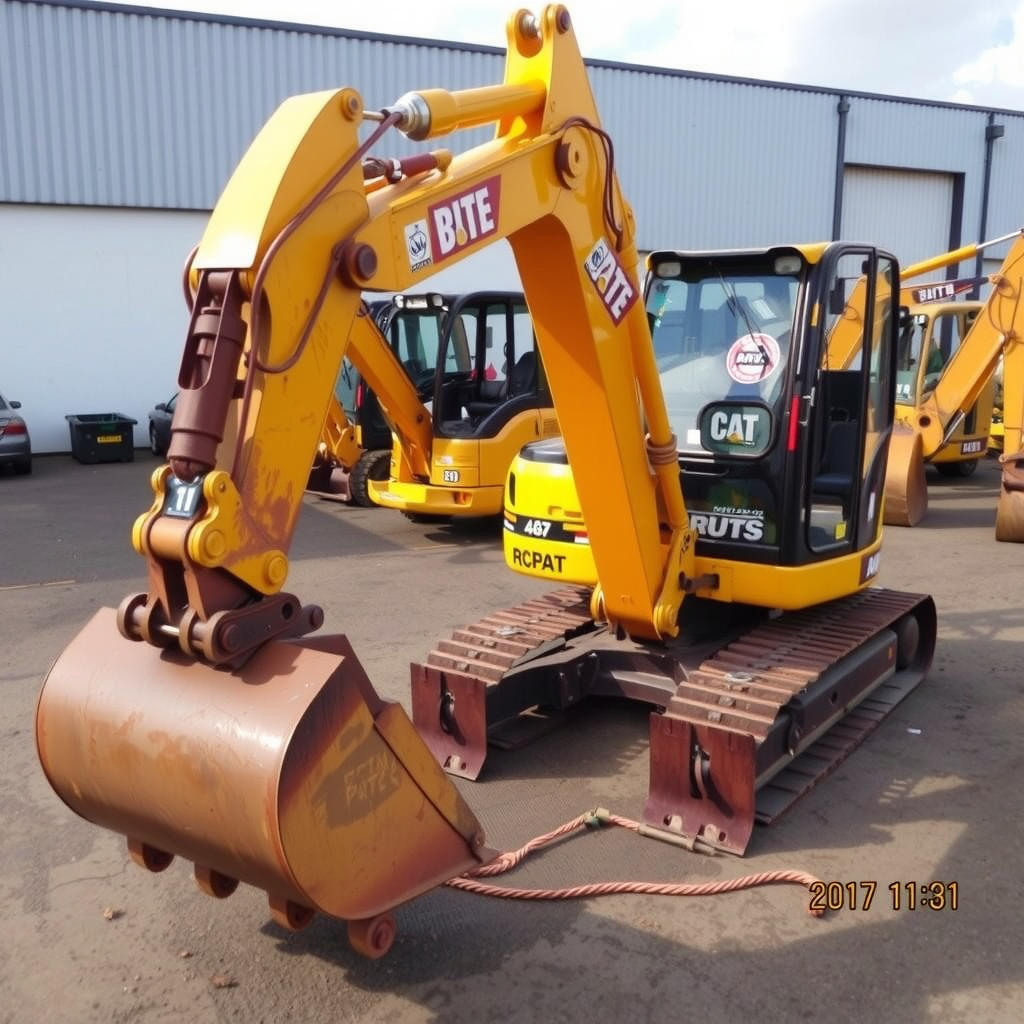
In the construction and heavy industry sectors, the decision to rent or buy plant and machinery is a critical one. Each option comes with its own set of benefits and challenges that can significantly impact your project timeline, budget, and overall operational efficiency. This guide aims to break down the considerations involved in making this decision, enabling you to make an informed choice that aligns with your business needs.
Understanding Your Requirements
Before deciding whether to rent or buy, it’s crucial to assess your specific requirements. Consider the following:
- Project Duration: If your project is short-term, renting heavy plant machinery may be more economical. For long-term projects or ongoing operations, purchasing may be a wiser investment.
- Frequency of Use: If particular machinery will be used regularly across multiple projects, owning it might reduce costs in the long run.
- Types of Tasks: Certain tasks require specialised machinery. Determine whether the type of plant equipment you need is readily available for rent or if it would be better to buy used plant equipment for sale in the UK.
The Advantages of Renting Plant Machinery
Renting plant equipment can provide a multitude of benefits:
Cost-Effectiveness
One of the most compelling reasons to rent is cost. Renting allows for flexibility without the substantial upfront costs associated with purchasing machinery. This is particularly relevant for smaller firms or companies managing tight budgets. Renters can allocate funds towards other crucial aspects of their projects rather than tying them up in expensive capital equipment.
Flexibility and Variety
The construction industry is dynamic, and requirements can change on short notice. Renting machinery and plant provides the flexibility to choose from various types of heavy plant machinery that suits different types of jobs, whether a digger, crane, or specialised equipment. Suppliers often update their inventory, giving access to the latest models without obligation.
Maintenance and Support
Renting usually includes maintenance and support as part of the agreement. This is particularly beneficial, as it eliminates the need for in-house maintenance teams and associated costs. If any issues arise with the rented plant equipment, the rental agency is responsible for repairs, ensuring minimal downtime.
Tax Benefits
Rental expenses can often be deducted as business expenses, providing potential tax advantages over owned machinery which may depreciate in value over time.
The Advantages of Buying Plant Machinery
While renting has its perks, buying plant machinery also presents several noteworthy advantages:
Long-Term Investment
Purchasing plant machinery can prove to be a solid long-term investment. For businesses that frequently require specific machinery, owning equipment leads to lower overall costs over time compared to repeated rentals. This is especially true for equipment that is essential for regular operations, offering significant savings in the long run.
Availability
Owning your plant machinery means you have immediate access to any equipment you need without having to worry about rental availability. This can be a critical factor for tight project timelines where every minute counts.
Customisation
Owning machinery grants the opportunity for modifications and customisation to suit specific needs. This flexibility in adjusting the machinery could enhance its operational efficiency for the type of projects you typically undertake.
Depreciation and Asset Management
While it’s true that machinery depreciates over time, managed correctly, owned equipment can also be considered an asset on your balance sheet. Used plant for sale often retains value, allowing for potential resale down the line, further benefiting your investment.
Determining Your Finances
When comparing the financial implications of renting versus buying, it’s crucial to assess the total cost of ownership for purchased equipment. This includes:
- Initial Purchase Price: The upfront cost of machinery can be substantial.
- Maintenance and Repairs: Ongoing costs that come with owned equipment must be factored in.
- Insurance: Consideration of insurance costs is important as owning plant equipment may require more comprehensive coverage compared to renting.
- Financing Options: Explore financing options that allow for easier purchase of heavy plant machinery, which may be beneficial for cash flow management.
When you need reliable plant & machinery for your construction projects, look no further. Our extensive fleet includes everything from excavators to loaders, all available for purchase or rental. Explore our offerings today at https://www.sjhallplant.com and ensure your project runs smoothly and efficiently.
The Market for Used Plant Equipment
For companies weighing the option of purchasing, the market for used plant machinery for sale in the UK can be an attractive alternative. It provides a chance to acquire reliable equipment at a competitive price, enabling businesses to maximise their investment. Key considerations when browsing used plant for sale include the machinery’s condition, maintenance records, and warranty provisions.
Making the Final Decision
Ultimately, the choice between renting and buying plant machinery will depend on your unique project needs, financial standing, and strategic goals. Conduct a thorough cost analysis, keeping in mind both short-term and long-term implications to determine the best path forward for your business.
By understanding the landscape of plant machinery available, including rental agencies and used plant equipment for sale, you ensure that your decision is not just reactive, but a strategically calculated move towards better productivity and efficiency in your construction projects.