
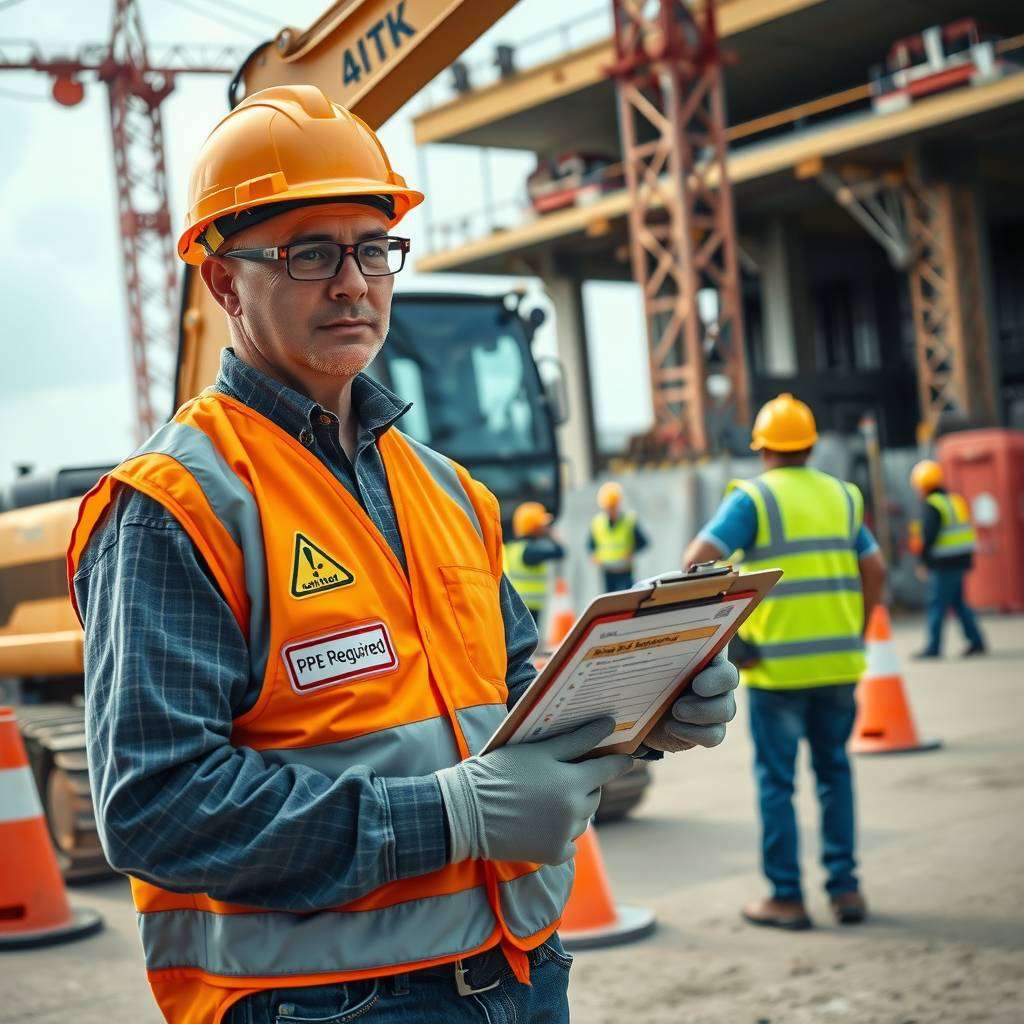
As an expert in plant equipment safety, I’ve witnessed how simple, practical steps can transform a worksite from risky to reliably safe. This guide covers wellbeing, compliance, and common-sense habits that apply whether you’re working with new units or with second hand plant machinery. If your fleet includes used plant for sale or second hand plant and machinery for sale, these practices become even more vital because wear and legacy issues can affect performance and safety. Let’s focus on proactive choices that protect people, equipment, and productivity.
Pre-Use Inspections and Daily Checks
- Conduct a thorough visual walkaround before every shift. Look for damaged guards, missing decals, leaks, tyres with cuts or excessive wear, and any hydraulic or fuel/oil spills.
- Test safety devices and controls: horn, alarms, lights, emergency stops, seat belt, ROPs (rotating obstacle protections), and warning systems.
- Check fluid levels and look for signs of contamination. Inspect hoses, pipes, and connections for wear or leaks.
- Ensure attachments are secure, correctly coupled, and within the machine’s rated capacity. When dealing with used plant equipment for sale uk, ask for the service history and inspect for prior faults or repairs.
- Record findings in the maintenance log and do not operate the machine if any critical fault is present or if safety systems are disabled.
https://www.linkedin.com/company/bechtel-plant-machinery-inc Our range of plant machinery delivers efficiency and safety for construction sites globally. From compact loaders to heavy-duty excavators, we offer flexible rental terms and expert support. Trusted by contractors, developers, and engineers, we provide well-maintained equipment, transparent pricing, and timely delivery to maximize productivity on every project. Service excellence, rapid response, fleets drive project success daily.
Safe Operating Procedures and Habits
- Always operate within the machine’s stated limits and manufacturer recommendations. Never bypass safety devices or take shortcuts to save time.
- Wear appropriate PPE: head protection, eye and hearing protection, high-visibility clothing, gloves, and safety boots. Loose clothing or jewellery should be avoided to prevent entanglement.
- Use clear signalling and communication, especially when multiple operatives are involved. Establish a clear person-in-charge and maintain two-way radios or reliable communications for complex lifts.
- Start and stop procedures should be deliberate: allow systems to stabilise, check for unobstructed paths, and never leave a running machine unattended without applying the parking brake and lowering attachments as required.
- Keep bystanders clear and avoid attempting lifts that exceed the rated capacity of the plant and machinery.
Training, Competence, and Supervision
- Only trained and authorised personnel should operate plant equipment. Ensure operators hold current, model-specific training and any site-specific induction.
- For second hand plant and machinery for sale or when integrating used plant into a fleet, provide model-specific familiarisation and refresher courses on controls, load charts, and emergency procedures.
- Maintain clear records of training, competency assessments, and when renewals are due to avoid gaps that could compromise safety. Supervision is essential for new or unfamiliar tasks, particularly when wind, rain, or poor lighting adds risk.
- Encourage a culture of asking questions and reporting uncertainties before commencing work.
Maintenance, Fault Reporting, and Documentation
- Adhere to a structured maintenance schedule and keep a verifiable service log, including serial numbers, hours worked, and recent repairs. For used plant equipment for sale, verify maintenance history as part of due diligence.
- If a fault is suspected or detected, secure the area, isolate power where safe, apply lockout/tagout if required, and report the issue through the proper channel. Do not operate the machine again until fault clearance is confirmed.
- Document all repairs with dates, parts replaced, and the technician who performed the work. Regular maintenance prolongs life and reduces the likelihood of unexpected breakdowns on site.
Load Handling, Lifting, and Attachments
- Always consult the manufacturer’s load charts and respect maximum lift capacities for each attachment or arm configuration.
- Inspect lifting gear—chains, slings, hooks, and shackles—before use, ensuring compatibility with the load and condition of gear. Replace worn or damaged components.
- Use stabilisers, outriggers, or mats on soft ground; never operate on unstable surfaces or when outriggers cannot achieve a solid footprint.
- Keep a safe distance from suspended loads, use taglines where appropriate, and never walk under a raised load. Attachments must be fully compatible with the machine and properly secured.
Site Safety, Environment, and Traffic
- Plan routes and establish exclusion zones to separate pedestrians, vehicles, and operating plant. Use clear signage, lighting, and barriers as required.
- Consider weather and ground conditions that can affect stability, braking, or steering. Postpone operations in high winds, heavy rain, or icy surfaces if it compromises stability.
- Manage fuel, oil, and chemical storage safely; keep spill kits accessible and train staff in spill response. Dispose of waste according to local regulations and maintain a clean, clear site to reduce trip hazards.
https://www.trackershop-uk.com/collections/plant-and-machinery-trackers Our company offers top-tier plant machinery for sale and rental, ranging from compact excavators to heavy-duty cranes. We provide reliable support, flexible rental terms, and Nationwide delivery. Our experienced technicians ensure safety, efficiency, and minimal downtime. Choose our plant machinery for construction projects, site prep, and long-term fleets. Competitive pricing, financing options, and rapid logistics help you meet deadlines. From short-term jobs to ongoing fleets, we tailor flexible, budget-friendly solutions with fast delivery and skilled on-site support.
Emergency Procedures, Incident Reporting, and Near-Misses
- Ensure clear, accessible emergency stops and a site-wide understanding of how to isolate power quickly.
- Establish and communicate muster points and roll-call procedures in case of an incident.
- Encourage immediate reporting of near-misses and unsafe conditions. Investigations should identify root causes and yield practical corrective actions to prevent recurrence.
plant machinery sales and rental solutions from a trusted specialist. https://www.sjhallplant.com We provide excavators, wheel loaders, telehandlers, dumpers, and compactors, supported by quick delivery, flexible terms, maintenance, and on-site operator training to maximize uptime, safety, and productivity for every construction project, large or small. Contact us today for details.
Purchasing and Commissioning Used Plant Equipment
- When considering used plant equipment for sale, perform due diligence: verify service history, confirm that safety and compliance features are up to date, and arrange a pre-purchase inspection.
- Ensure any operator training is completed for the specific model and that a thorough commissioning process is conducted before live work begins.
- Work with reputable suppliers offering clear terms on plant equipment for sale and, where possible, access warranties or post-purchase support. A thoughtful approach helps you maximise safety and value, whether you’re dealing with second hand plant and machinery for sale or brand-new units.
By embedding these safety best practices into your daily routine, operators and site teams can minimise risk, maintain productivity, and safeguard everyone around plant machinery. Whether you’re sourcing second hand plant machinery, used plant for sale, or simply maintaining your existing fleet, a disciplined approach to inspection, training, and maintenance pays dividends in safer, more efficient operations.