
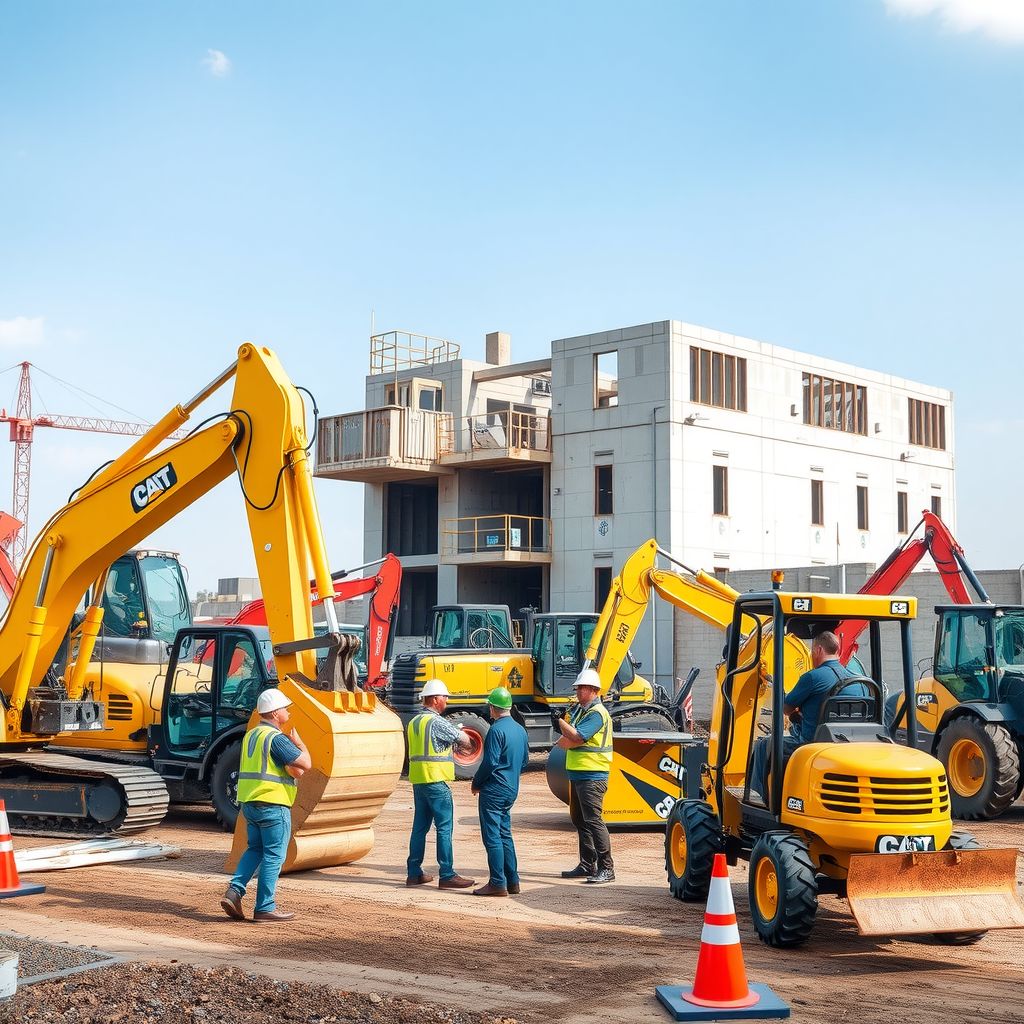
Choosing the right plant and machinery can be a daunting task, especially with the variety of options available in today’s market. Whether you’re looking to buy or rent equipment, it’s essential to find machinery that perfectly fits your project’s requirements. Here, I’ll guide you through the process of selecting the right plant and machinery for your needs, ensuring that you make an informed decision that maximises efficiency and safety on the job.
Assess Your Project Requirements
Before diving into the realm of plant and machinery sales, it’s crucial to assess your specific project requirements. What kind of tasks will the machinery be performing? Consider the following factors:
-
Type of Work: Determine whether you’ll need excavators for digging, cranes for lifting, or compactors for earthworks. Each task requires specific machines tailored to its demands.
-
Site Conditions: The environment in which you’re operating will greatly influence your choice. Assess the site’s terrain, size, and accessibility. For example, if you’re working in a tight urban space, you may need more compact and versatile equipment.
-
Duration of Use: Consider how long you’ll need the machinery. For short-term projects, renting may be more economical, while long-term tasks may warrant purchasing used plant machinery.
Type of Work: Determine whether you’ll need excavators for digging, cranes for lifting, or compactors for earthworks. Each task requires specific machines tailored to its demands.
Site Conditions: The environment in which you’re operating will greatly influence your choice. Assess the site’s terrain, size, and accessibility. For example, if you’re working in a tight urban space, you may need more compact and versatile equipment.
Duration of Use: Consider how long you’ll need the machinery. For short-term projects, renting may be more economical, while long-term tasks may warrant purchasing used plant machinery.
Set Your Budget
Establishing a budget is a crucial step before exploring plant machinery for sale in the UK. Evaluate whether you intend to purchase new or used plant equipment, as this will impact your financial investment.
-
New vs. Used Plant Sales: New machinery often comes with the latest technology and warranties, but it can be significantly more expensive. Used plant sales in the UK can offer excellent value, allowing you to acquire reliable second-hand plant machinery that meets your needs without breaking the bank.
-
Operating Costs: Don’t forget to factor in ongoing costs such as maintenance, insurance, and fuel. Often, older machines can have lower initial costs but may incur higher maintenance costs, so weigh these factors carefully.
New vs. Used Plant Sales: New machinery often comes with the latest technology and warranties, but it can be significantly more expensive. Used plant sales in the UK can offer excellent value, allowing you to acquire reliable second-hand plant machinery that meets your needs without breaking the bank.
Operating Costs: Don’t forget to factor in ongoing costs such as maintenance, insurance, and fuel. Often, older machines can have lower initial costs but may incur higher maintenance costs, so weigh these factors carefully.
Explore Options with Trusted Dealers
Exploring different dealers is vital when you’re looking for plant machinery for sale in the UK. Choose reputable companies that provide comprehensive information about their products.
-
Research Dealers: Look for dealers who specialise in used plant sales in the UK, as they can offer a broader selection of second-hand plant machinery. Check their reviews and ask for recommendations to ensure you’re working with a trusted source.
-
Visit Showrooms or Online Platforms: Many plant machinery sales companies have online platforms where you can browse available used plant for sale. Visiting a showroom can also give you a sense of the machinery’s condition and capabilities.
Research Dealers: Look for dealers who specialise in used plant sales in the UK, as they can offer a broader selection of second-hand plant machinery. Check their reviews and ask for recommendations to ensure you’re working with a trusted source.
Visit Showrooms or Online Platforms: Many plant machinery sales companies have online platforms where you can browse available used plant for sale. Visiting a showroom can also give you a sense of the machinery’s condition and capabilities.
At SJ Hall Plant, we understand the importance of reliable plant & machinery for your construction projects. Our extensive range of equipment ensures you find the perfect solution, whether you’re looking to rent or buy. Trust us to provide top-quality plant & machinery that enhances your work efficiency. Explore our offerings now at https://www.sjhallplant.com.
Inspect the Machinery
Whether you’re opting for used plant equipment or new models, it’s essential to conduct thorough inspections.
-
Physical Condition: When considering used plant machinery, inspect for signs of wear and tear, rust, or any potential damages. Look at the machinery’s maintenance logs to see its service history.
-
Testing Functionality: If possible, operate the machinery before purchasing. This firsthand experience will allow you to assess the equipment’s performance and spot any issues that may not be apparent visually.
Physical Condition: When considering used plant machinery, inspect for signs of wear and tear, rust, or any potential damages. Look at the machinery’s maintenance logs to see its service history.
Testing Functionality: If possible, operate the machinery before purchasing. This firsthand experience will allow you to assess the equipment’s performance and spot any issues that may not be apparent visually.
Understand the Specifications
When evaluating plant machinery, pay close attention to the specifications. Understanding these will help you select equipment that best suits your needs.
-
Performance Ratings: Check the engine power, lifting capacity, and operational speed of the machinery. Make sure these figures align with your project requirements.
-
Size and Weight: Ensure the machinery is suitable for your site conditions. Consider whether there are any height restrictions, weight limits for ground conditions, or other specifications that could impact the equipment’s functionality.
Performance Ratings: Check the engine power, lifting capacity, and operational speed of the machinery. Make sure these figures align with your project requirements.
Size and Weight: Ensure the machinery is suitable for your site conditions. Consider whether there are any height restrictions, weight limits for ground conditions, or other specifications that could impact the equipment’s functionality.
Training and Certification
Proper training and certification for operating plant machinery not only enhance workplace safety but also improve efficiency.
-
Operator Training: Ensure that your team members are adequately trained to operate the machinery. Many manufacturers offer training programmes, so take advantage of these resources to keep your workforce safe.
-
Certification Requirements: Confirm that the operators hold any necessary certifications required by law to operate specific types of machinery. This step protects your business from potential legal issues.
Operator Training: Ensure that your team members are adequately trained to operate the machinery. Many manufacturers offer training programmes, so take advantage of these resources to keep your workforce safe.
Certification Requirements: Confirm that the operators hold any necessary certifications required by law to operate specific types of machinery. This step protects your business from potential legal issues.
Evaluate Financing Options
If you’ve decided to purchase rather than rent, look into your financing options.
-
Leasing vs. Buying: Determine whether leasing machinery makes more sense for your business model compared to outright purchasing used plant machinery. Leasing can conserve cash flow and allow access to newer models frequently.
-
Financing Plans: Research various financing options available from dealers and banks. Some may offer better terms for plant and machinery sales, helping you acquire the equipment you need without straining your budget.
Leasing vs. Buying: Determine whether leasing machinery makes more sense for your business model compared to outright purchasing used plant machinery. Leasing can conserve cash flow and allow access to newer models frequently.
Financing Plans: Research various financing options available from dealers and banks. Some may offer better terms for plant and machinery sales, helping you acquire the equipment you need without straining your budget.
Consider After-Sales Support
Finally, consider the after-sales support your chosen dealer provides.
-
Warranty and Maintenance Services: When investing in used plant equipment, inquire about the warranty coverage and any maintenance packages. This support is invaluable for keeping your machinery operational and efficient.
-
Spare Parts Availability: Ensure that spare parts for the machinery are readily available. This accessibility becomes crucial, especially for older models that may require specific components over time.
Warranty and Maintenance Services: When investing in used plant equipment, inquire about the warranty coverage and any maintenance packages. This support is invaluable for keeping your machinery operational and efficient.
Spare Parts Availability: Ensure that spare parts for the machinery are readily available. This accessibility becomes crucial, especially for older models that may require specific components over time.
By carefully assessing your needs and weighing these factors, you can confidently choose the right plant and machinery for your projects, ensuring that you achieve the best results while staying within your budget. Whether you opt for used plant sales in the UK or new purchases, having the right equipment will set the foundation for success on your construction site.