
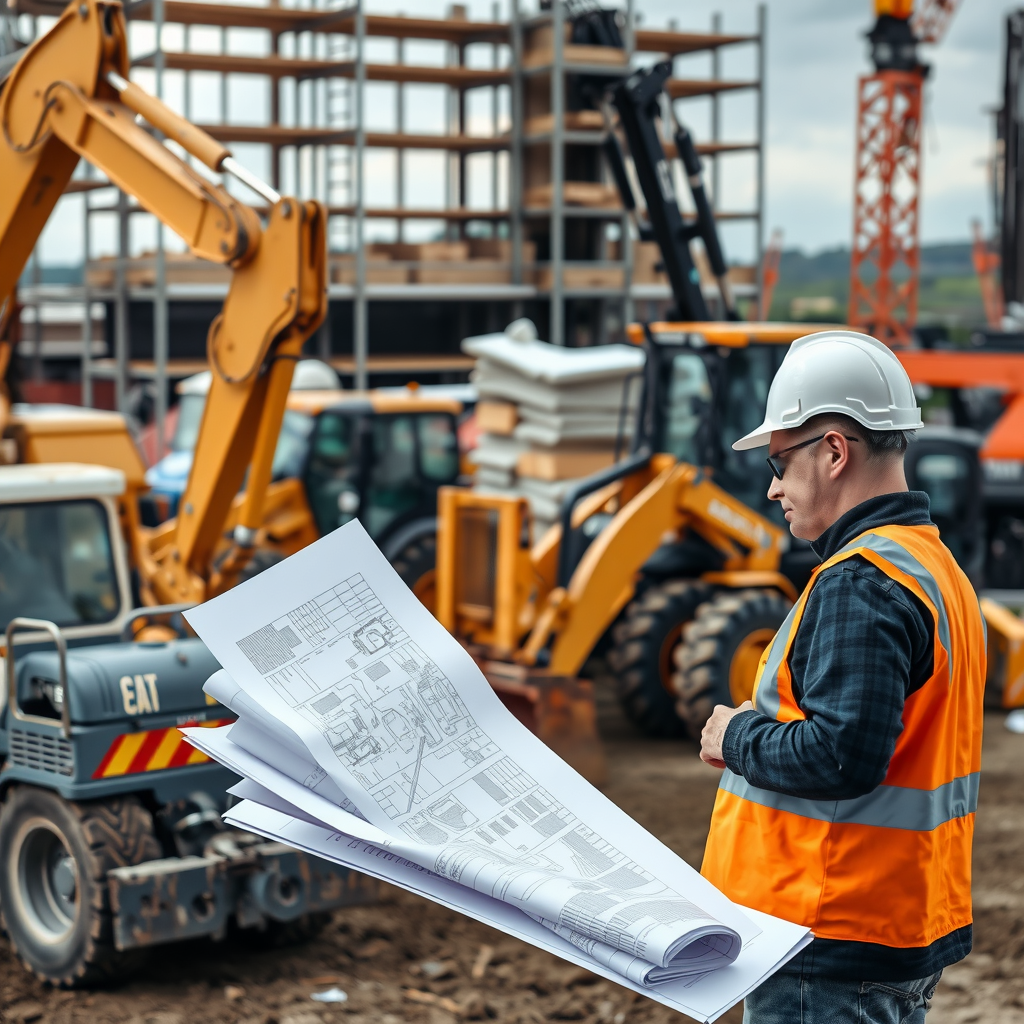
Selecting the right machinery and plant for your construction project is crucial for ensuring efficiency, safety, and economic viability. With a myriad of options available, it’s essential to understand the landscape of machinery and plant equipment. This guide offers valuable insights into selecting the right equipment for your project needs—whether you’re looking at second-hand plant machinery or brand-new models.
Understanding Your Project Requirements
Before diving into the selection of machinery and plant, it’s imperative to evaluate your project requirements. Consider these key factors:
-
Project Size and Scope: Are you working on a small renovation, or is it a large-scale construction project? Understanding the scale will help dictate the type of plant machinery required.
-
Terrain and Location: The geographical and environmental conditions will influence the choice of equipment. For instance, rough terrains may require more robust machinery, while urban settings may necessitate compact machines.
-
Type of Materials: The materials you plan to work with will also impact your machinery choice. Heavy materials may require different handling equipment compared to lighter ones.
-
Timeline: Consider your project timeline. Shorter deadlines may necessitate more powerful machinery to expedite progress.
Project Size and Scope: Are you working on a small renovation, or is it a large-scale construction project? Understanding the scale will help dictate the type of plant machinery required.
Terrain and Location: The geographical and environmental conditions will influence the choice of equipment. For instance, rough terrains may require more robust machinery, while urban settings may necessitate compact machines.
Type of Materials: The materials you plan to work with will also impact your machinery choice. Heavy materials may require different handling equipment compared to lighter ones.
Timeline: Consider your project timeline. Shorter deadlines may necessitate more powerful machinery to expedite progress.
New vs. Used Plant Equipment
When it comes to sourcing plant equipment, one of the first decisions you’ll need to make is whether to invest in new or second-hand plant machinery. Both options have their pros and cons.
New Plant Equipment
-
Advantages:
- Latest technology and features.
- Greater reliability and warranties.
- Fuel efficiency and lower lifetime costs.
-
Disadvantages:
- Higher initial investment.
- Depreciation can be significant immediately.
Advantages:
- Latest technology and features.
- Greater reliability and warranties.
- Fuel efficiency and lower lifetime costs.
Disadvantages:
- Higher initial investment.
- Depreciation can be significant immediately.
Second-Hand Plant Machinery
-
Advantages:
- More affordable—used plant equipment for sale can significantly reduce initial costs.
- Available for immediate hire, which is useful for unexpected project additions.
-
Disadvantages:
- Potential for wear and tear, which can lead to higher maintenance costs.
- Limited availability of specific models.
Advantages:
- More affordable—used plant equipment for sale can significantly reduce initial costs.
- Available for immediate hire, which is useful for unexpected project additions.
Disadvantages:
- Potential for wear and tear, which can lead to higher maintenance costs.
- Limited availability of specific models.
In the UK, there’s a robust market for used plant equipment for sale, which can help you find quality second-hand options at budget-friendly prices.
Evaluating Plant Machinery Sales UK Options
The UK boasts a competitive market for plant machinery sales, with numerous dealers offering a variety of models. When evaluating options, consider the following:
Reputable Dealers
Look for dealers with a solid reputation in the industry. Check for customer reviews and testimonials to gauge their reliability.
Selection
Examine the range of machinery and plant available. A good dealer should have a diverse selection, including popular brands and models, both new and used.
After-Sales Support
Reliable after-sales service is crucial, particularly for maintenance support. Ensure that your dealer offers comprehensive support, including servicing and the availability of spare parts.
Key Plant Machinery Types and Their Uses
Understanding the different types of plant machinery available is vital for choosing the most suitable equipment for your project. Here are some of the categories to consider:
Excavators
Use: Ideal for digging and earthmoving, excavators come in various sizes to accommodate different project needs.
Considerations: If your project involves significant excavation work, opt for a model with a powerful engine, suitable attachments, and tracked capabilities for stability.
Loaders
Use: Loaders are excellent for moving materials around construction sites.
Considerations: Depending on your site layout, you may prefer a wheeled loader for speed or a tracked loader for better traction on uneven surfaces.
For top-quality machinery and plant rental solutions, visit https://www.sjhallplant.com. Our extensive fleet meets all construction needs, providing reliable equipment and excellent service to ensure your projects run smoothly and efficiently.
FAQ – Machinery and Plant
What is the difference between machinery and plant?
Machinery typically refers to machines that are used in various industrial processes, while plant encompasses a broader range of equipment and facilities, including machinery used for construction and other specialised operations. In the context of construction, “plant” usually incorporates machinery like excavators, bulldozers, cranes, and more.
How do I choose the right type of plant machinery for my project?
Choosing the right plant machinery depends on several factors such as the scale of your project, the type of work being done (digging, lifting, transporting), site conditions (terrain type), and budget. Consulting with our experts can help you assess your needs effectively.
Do you offer both rental and sale options for plant machinery?
Yes! We offer flexible solutions to meet your requirements. You can either rent or purchase a variety of high-quality machineries from us. Depending on your project’s duration or scale, we will help find the best option.
What maintenance does rented plant machinery require?
Rented plant machinery should be maintained regularly to ensure safety and efficiency. This includes checking fluid levels, inspecting hoses for wear and tear, ensuring proper lubrication of moving parts, and following any specific manufacturer’s guidelines that accompany each piece of equipment.
Are safety certifications required when renting out machinery or plants?
Yes! Safety certifications may be necessary depending on local regulations. It is essential to ensure that all operators are trained in using hazardous equipment safely. We can guide you through any legal requirements applicable in your area when renting our equipment.
Can I get support while operating rented plant machinery?
Certainly! Our dedicated customer service team provides support during business hours; whether you have questions about operation techniques or need troubleshooting assistance during rental periods—we’re here to help ensure smooth operations!
What should I do if the rented machine breaks down on-site?
If a rented machine experiences technical issues while you’re on-site—please contact our support line immediately! We have a prompt response team ready to assist with repairs or replacement if necessary so that it minimises downtime at your project site.
Is insurance included with rentals for plants & machineries?
Insurance policies vary by rental agreement but generally cover basic liability situations associated with damage caused by accidents; however comprehensive coverage must be obtained separately based on individual needs—feel free to inquire about options available through us!
If you have further questions regarding our products related specifically towards “machinery” & “plants”, please don’t hesitate reaching out directly via email/call!
Dumpers
Use: Used for transporting bulk materials like soil and debris around site areas.
Considerations: Ensure that the dumper has adequate load capacity and stability based on your project’s specific material requirements.
Telehandlers
Use: Versatile equipment used for lifting and moving materials to positions that may be out of reach for traditional cranes.
Considerations: Look for telehandlers with a good lifting height and capacity, which will maximise efficiency on your site.
Rent or Buy?
Another important consideration is whether to rent or purchase machinery and plant. Here are a few factors to weigh in on:
- Budget Constraints: Renting can help manage cash flow in the short term, particularly on smaller projects.
- Project Duration: If your construction project extends over a longer period, buying might offer better value long-term.
- Maintenance and Storage: Owning plant machinery comes with responsibilities, including maintenance and storage considerations.
The growing trend of plant machinery rental in the UK provides an excellent alternative for contractors who prefer not to commit to long-term ownership.
Final Thoughts on Selecting Plant Machinery
Choosing the right machinery and plant for your construction project requires careful consideration of your needs, budget, and the specific demands of your job site. Whether you choose used plant for sale or new models, always ensure you’re making informed decisions that align with your project’s objectives. Remember to conduct thorough research and utilise available resources to make the best choice for your machinery and plant requirements.