
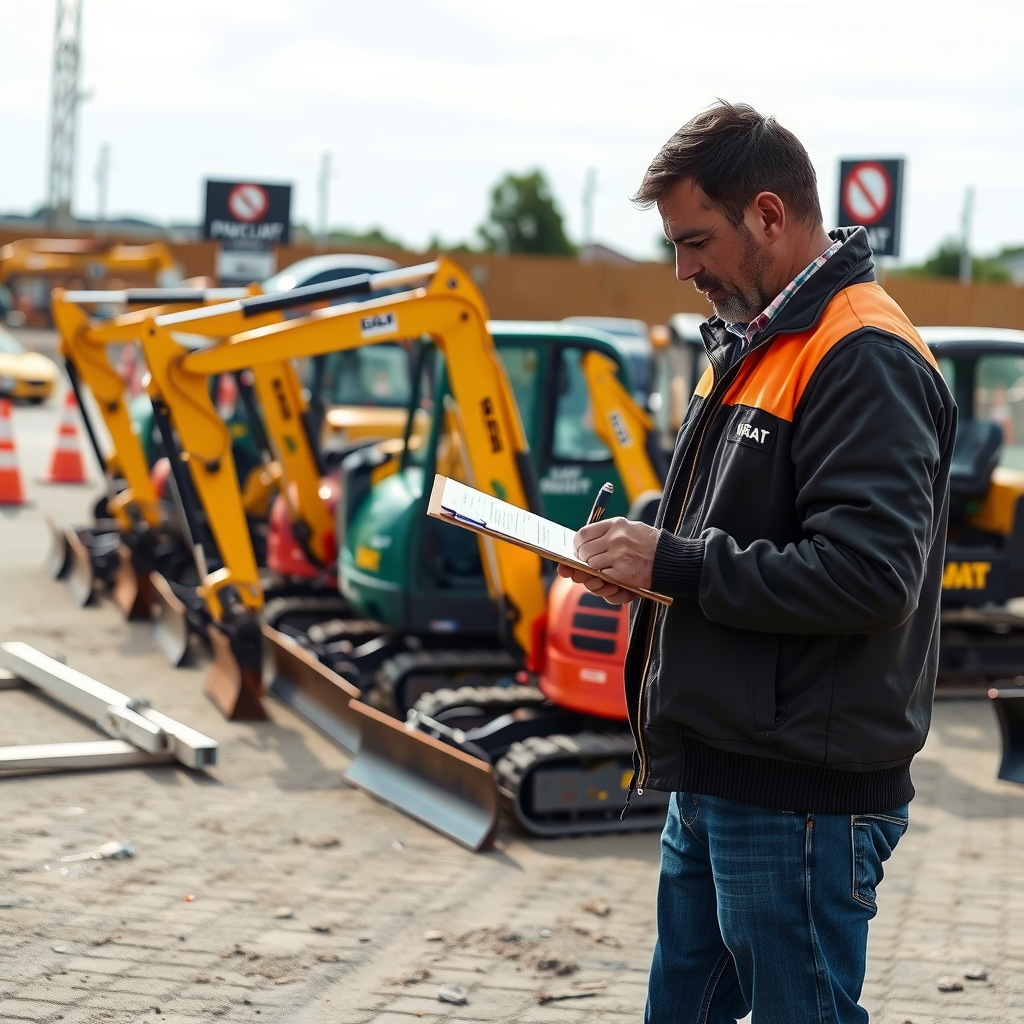
When it comes to purchasing a used mini excavator, there’s a lot to consider. Perhaps you’ve been scouring listings for ‘excavators for sale’ and are feeling slightly overwhelmed. With the vast array of options available, it’s essential to know what to look for to ensure you select a machine that suits your specific needs. After all, a well-chosen excavator can boost your productivity, enhance your project’s efficiency, and even save you some money in the long run.
Moreover, buying a second-hand excavator can be a brilliant way to get quality machinery without breaking the bank. However, as with any major purchase, you want to make sure you’re making a wise investment. In this guide, we’ll explore the key factors to consider when selecting a used mini excavator, and by the end, you’ll be equipped with the knowledge needed to make an informed decision.
Understanding Your Needs
Before diving into the world of used mini excavators, it’s vital to assess your specific requirements. Are you looking for something compact for tight spaces, or do you need power for heavier tasks? Understanding the scope of your projects will help narrow down your options significantly. A mini excavator is typically well-suited for landscaping, small-scale construction, and digging trenches, so think about the kind of work you will primarily be undertaking.
Additionally, consider the size of your team and the logistics of transporting the machine. If you plan to relocate job sites frequently, a lighter and more portable option may be beneficial. Conversely, if you need the excavator for large-scale, long-term projects, investing in a more robust model could be advantageous. Evaluating how you intend to use the machine will lay a strong foundation for your search.
Key Features to Look For
When browsing through listings of second-hand excavators, it’s crucial to pay attention to specific features that influence functionality and reliability. Here are some key features to look for when considering a used mini excavator:
Operating Weight: Mini excavators vary in weight, which can significantly impact their performance. Generally, models weighing between 1 to 6 tonnes are considered mini. Heavier models can handle more power but may not be suitable for tighter urban environments. Lighter models, on the other hand, are apt for constricted job sites but might lack strength for tougher jobs.
Working Reach and Depth: Evaluate the excavator’s ability to reach and dig. The working reach refers to how far the machine can extend its arm, while the dig depth is how deep it can excavate. If digging trenches or footings is part of your project, ensure the excavator has adequate reach and depth for your specific needs.
Hydraulic System: The hydraulic system is the heart of any excavator, responsible for its movement and operation. Inspect the hydraulic hoses and cylinders for any leaks or signs of wear. A well-maintained system will ensure smooth operation, which is crucial for intricate tasks.
Track Condition: The condition of the tracks or wheels can greatly affect job performance. Check for wear, cracks, or misalignment. Replacing tracks can be costly, so understanding the condition before purchase is essential for budget planning.
Attachments: Many mini excavators come with a range of attachments, such as buckets, augers, or grapples. Ask if the seller is including any additional attachments and whether or not they are compatible with the machine. Having the right attachments can drastically expand the range of tasks your mini excavator can handle.
Evaluating the History of the Machine
Once you’ve identified a potential used mini excavator, it’s time to dig deeper into its history. Several factors can offer insights into the machine’s reliability and overall condition:
Service History: Request any service records or maintenance logs from the seller. A well-documented service history often indicates that the machine has been cared for properly. Regular servicing can prevent larger issues down the line.
Previous Usage: Understand the excavator’s past applications and the environments it has been used in. Machines that have predominantly worked on light tasks will generally be in better condition than those used for heavier, more demanding jobs.
Inspection and Test Drive: Before making a final decision, arrange for an inspection and test drive of the used mini excavator. Observe how it operates, listen for unusual noises, and check the responsiveness of the controls. Taking the time for a thorough inspection can save you from potential headaches later.
Choosing the right used mini excavator doesn’t need to be a daunting task. By understanding your needs, keeping an eye out for key features, and evaluating the machine’s history, you can make a confident purchase that meets your expectations and serves your projects well. Happy digging!
Looking for a reliable and affordable solution for your construction projects? Our selection of used mini excavators offers excellent performance and durability at competitive prices. Perfect for tight spaces and varied terrains, these machines are essential for efficient digging and grading. Explore our inventory of high-quality options today by visiting our site for a used mini excavator.