
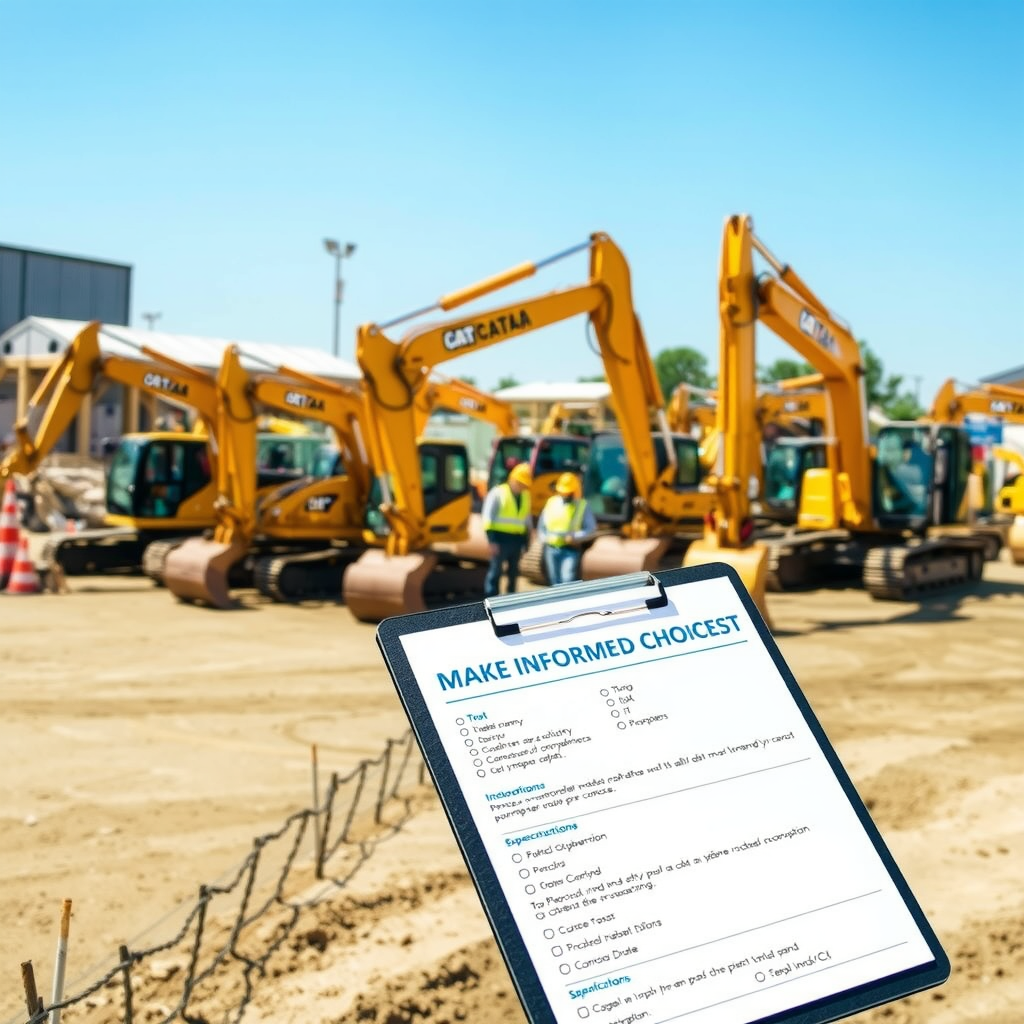
Choosing the right excavator can be a daunting task, especially with the myriad of options available in the market today. Whether you’re a seasoned contractor or a first-time buyer, understanding the features, capabilities, and your specific needs can make a significant difference in your purchase decision. Excavators are essential machines in the construction, landscaping, and digging industries, and investing in the right one can lead to increased efficiency and productivity on your job site.
In this comprehensive guide, we will walk you through the essential factors to consider when selecting the perfect excavator for sale. From understanding the types available to evaluating size, capacity, and features, we’ll equip you with the knowledge necessary to make an informed decision.
Understand the Different Types of Excavators
When looking for excavators for sale, it’s crucial to recognise that various types are designed for specific tasks. The most common are standard excavators, mini excavators, and long-reach excavators. Standard excavators are typically large and powerful, ideal for heavy-duty jobs like digging foundations or large earth-moving tasks. If you’re working on tighter sites or smaller projects, a used mini excavator might be the perfect fit. These compact machines are easier to manoeuvre and can access tighter spaces without compromising on efficiency.
Long-reach excavators are specially designed for tasks that require extended reach; they’re often employed in applications such as dredging or when working in difficult terrains where standard models might struggle. Knowing the type that aligns best with your project goals can narrow down your options significantly.
Assess Your Project Needs
Before you start browsing through listings for second-hand excavators, take a moment to consider the specific needs of your projects. Factors such as the scale of work, the type of materials you’ll be handling, and the environment of your job site are all crucial. If you foresee frequent transportation of materials, a model with a robust hydraulic system might be beneficial, while properties requiring precision work would favour a machine that offers greater control and visibility.
Additionally, consider how often you’ll need the excavator. If you’re only handling an occasional project, a used mini excavator may be a smart purchase. Conversely, if you have a steady influx of jobs requiring excavation, investing in a new or higher-capacity second-hand excavator could offer better long-term value.
Looking for powerful and efficient machinery for your construction projects? Our range of excavators offers exceptional performance and reliability, tailored to meet your specific needs. Explore our selection today, and find the perfect fit for your operations with our available excavators for sale.
Evaluate Size and Weight Class
The size of the excavator is another critical consideration. Excavators come in various weight classes ranging from mini models under 3 tonnes to larger machines exceeding 40 tonnes. Your choice should be dictated by the nature of your tasks and the terrain of your operation. Heavy machinery may not perform well on softer ground or limited spaces, while a compact model might struggle with bigger earth-moving jobs.
If you’re leaning towards a used mini excavator, consider its lifting capacity and working range to ensure it meets your requirements. Smaller models can be equipped with different attachments, enhancing their versatility for various tasks.
Check for Features and Attachments
The features and attachments available with an excavator can significantly impact your productivity. Excavators typically come with a range of attachments, including buckets of different sizes, augers, and grapple attachments. These additions can make your machine more adaptable to varying jobs and increase efficiency, particularly if you have diverse projects lined up.
Hydraulic systems also play a pivotal role. A robust hydraulic system provides better power and control over attachments, which can streamline operations and reduce manual labour. When looking at second-hand excavators, make sure to inspect the hydraulic components for any signs of wear or leaks, as these could lead to costly repairs later on.
Review Maintenance History
When considering a used excavator, it’s essential to examine its maintenance history. A well-maintained machine often translates into better performance and reduced repair costs over time. Request service records and whether previous owners have adhered to routine maintenance schedules. Look out for details like oil changes, hydraulic fluid replacement, and any significant repairs performed.
Additionally, take the time to inspect the machine in person if possible. Look for signs of excessive wear, leaks, or damage. A thorough inspection can provide insight into the machine’s overall condition and reassure you about its reliability.
Understand Financing and Warranty Options
Before making a purchase, it’s worth exploring the financing options available for your excavator. Depending on your budget and cash flow situation, you may choose to buy outright or explore leasing options. Many dealers provide flexible financing plans that can make acquiring a brand-new model or a used mini excavator more manageable.
Moreover, warranties can provide peace of mind with your investment. New excavators typically come with warranties covering significant components, while some second-hand models may have limited warranties if purchased from a reputable dealer. Always check the terms and conditions to ensure complete understanding and coverage for your chosen machine.
By approaching your excavator purchase with a clear understanding of your needs, project specifics, and the machines available, you can confidently navigate the market. Dive into your search for the right excavator for sale, and you’ll surely find a machine that fits perfectly with your requirements.